Italy Vacations
No country packs more into a boot: empires in Rome, the Renaissance in Florence, a city floating on water, hill towns holding four-hour lunches — Italy is the trip people rank first, forever.
The Classic Triangle
Rome, Florence and Venice, stitched together by trains that make transit a pleasure: two hours Rome–Florence, two more to Venice. Ten to twelve nights walks you from the Colosseum through the Uffizi to a gondola-quiet canal at midnight — the first-Italy itinerary we build more than any other, and the one that creates repeat clients.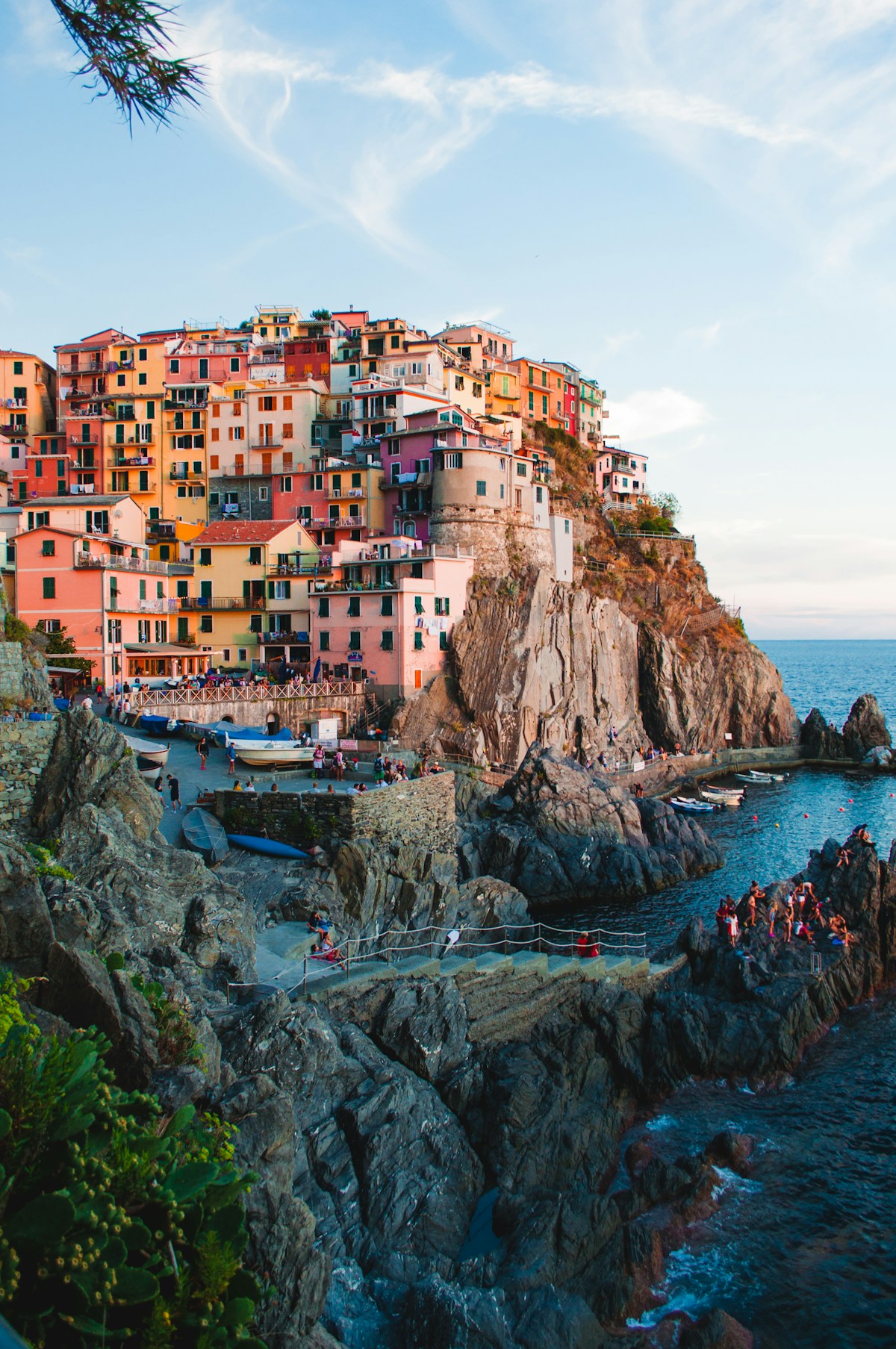

Rome Deserves Strategy
The Vatican Museums, Colosseum underground and Borghese Gallery all demand timed reservations booked from Canada, not from the queue. We pair the giants with Trastevere dinners and early-morning Pantheon visits before the crowds — Rome rewards the traveller who plans mornings and surrenders afternoons.Tuscany & The Slow Middle
Between the cities lies the Italy of postcards: agriturismo farm stays, Chianti cellars, Siena's shell-shaped piazza, cypress-lined drives to nowhere in particular. A rental car earns its keep here and only here. Three or four Tuscan nights mid-itinerary reset the pace — the exhale between Florence's art and Rome's ruins.South To The Coast
Extend to the Amalfi Coast — Positano's cliffside pastels, private boat days to Capri — or push into Puglia's whitewashed trulli towns for Italy before mass tourism found it. Our dedicated Amalfi guide covers the coast in depth; as an Italy finale, it's unmatched.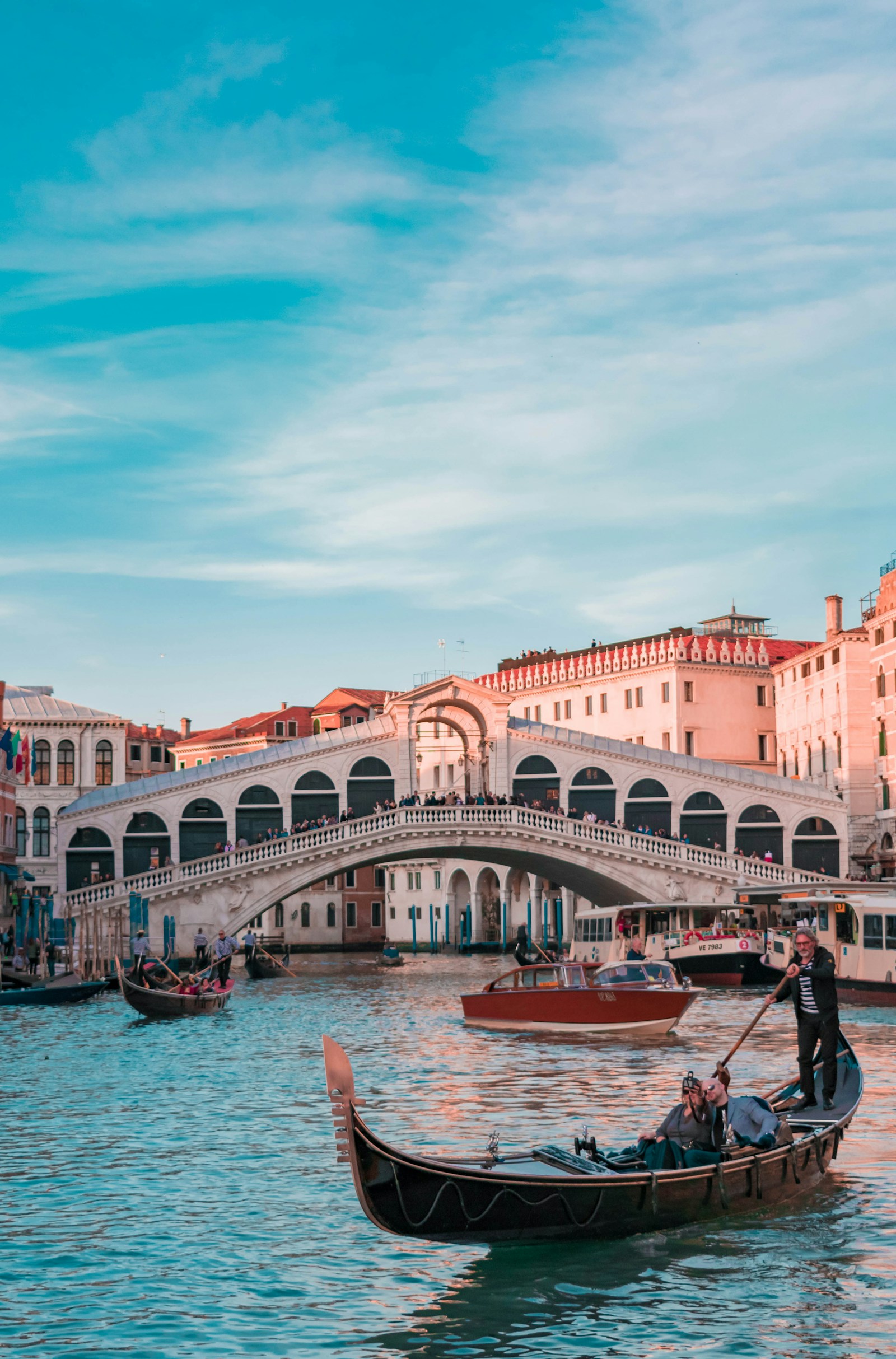
Eating Is The Itinerary
Carbonara in Rome, bistecca in Florence, cicchetti crawls in Venice, and the rule that saves every meal: eat where the menu is short, handwritten and Italian. We book the tables that need booking and map the neighbourhoods where lunch never misses — in Italy, food isn't part of the trip; it's the spine of it.Asked, answered.
How many days does Italy need?
Ten to fourteen for the classic triangle at a humane pace; a week works for two cities done properly.
When should we visit?
May, June, September and October — summer warmth without August's crowds and closures.
Do we need a car in Italy?
Only for Tuscany or Puglia — trains beat driving everywhere between the major cities, and Venice bans cars entirely.
Is Italy good for honeymoons?
Legendary — Venice and Amalfi anchor many of our honeymoon itineraries, often paired with Paris or Santorini.
What do reservations cost ahead?
Timed museum entries run €20–€40 each and are worth triple that in queue time saved; we build them into every itinerary.
Rome or Florence for a shorter trip?
Rome for ancient scale and energy, Florence for walkable Renaissance intimacy — tell us your museum tolerance and we'll choose in one conversation.